
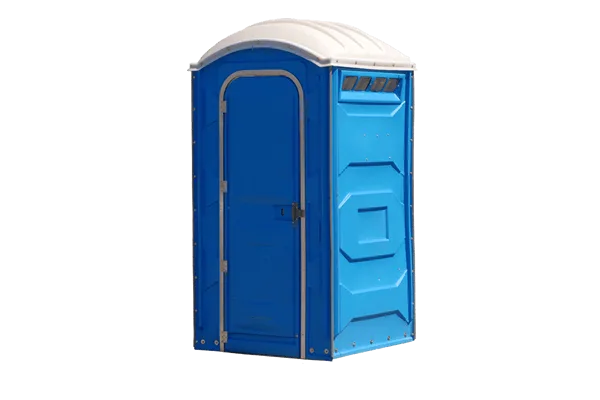
The cabin supplies a private temporary toilet
The basic function is an enclosed toilet with waste retained in a holding tank for agreed provider servicing. It is not a permanent bathroom connected to the building sewer. Ask for the actual offered unit description; do not infer a flushing system, basin, lighting, particular capacity or other fittings from the category or an illustrative photograph.
That function can be useful for workers without usable building bathrooms, visitors at an outdoor gathering or people present during a temporary bathroom interruption. Tell the provider what people are doing, who is present together and how long facilities are needed. The same product category can support different arrangements, but it does not establish a universal number of users or rental period.
The site supplies the conditions in which it can be used
Identify the permitted standing position and the entrance the provider should use. Have the actual surface, approach and handling space reviewed. Users need a stable route and room to open the door, while the provider needs workable access for delivery, care and removal. A space left on a property drawing does not settle those conditions.
Check what the position looks like during use, not just before equipment arrives. A cabin beside an open gate may become isolated when the gate is locked; a clear approach may fill with stored materials or event furniture. Name the person who can keep the agreed space available and arrange a review if another position is proposed.
Additional needs must be named rather than assumed
A suitable accessible arrangement involves the actual unit and its approach. Do not assume another standard cabin answers a mobility or transfer requirement. Similarly, handwashing needs a usable sink or separate station with water, soap, drying provision and used-water handling; a dispenser is not automatically that washing function.
If a particular comfort feature is wanted, ask whether a confirmed enhanced cabin or other format offers it and what that choice changes. Keep essential toilet access, washing and usable routes separate from optional conveniences. Choosing a basic cabin should not leave an important user need unanswered merely because the equipment description is short.
The service agreement keeps the basic equipment useful
Ask which cleaning, tank care and toilet-paper replenishment are included for the expected use and duration. Where washing is hired, make its supply and used-water tasks explicit too. Agree who checks usability between visits and reports a shortage, obstruction or damage. Those observations are not instructions for a customer to empty or repair equipment.
Before accepting the quote, reconcile the actual unit and quantity, dates, delivery, care, supplies and collection. Identify any property dependency that remains unresolved and how extra time or a changed requirement would be agreed. Keep a receiving contact and collection route available until removal; ordering basic equipment does not make the surrounding responsibilities disappear.
Questions before you book
Does standard mean the same fittings are included in every offer?
No. Confirm the actual unit. The category describes a basic temporary toilet, not a guaranteed list of flushing, washing, lighting or other features.
Can a standard cabin be used during building bathroom work?
It may be discussed for the people losing access, provided the property and supplier can agree suitable equipment, placement, washing and care for the required period.
What should I compare besides the cabin itself?
Compare the usable site arrangement and the agreed service: access, dates, cleaning, waste care, supplies, delivery and collection, including any separate washing or accessible needs.