
Make the material description specific enough to answer
List the actual items or material types rather than describing everything as general waste. Identify dense or heavy debris separately from bulky objects. Mark uncertain items clearly, especially material that may be restricted or need another disposal arrangement. The provider must confirm acceptance; this guide does not authorize hazardous material or give a universal permitted-items list.
Keep those unresolved contents out of a proposed combined load while asking for instructions. Finding an item during work is a reason to describe it and ask, not to conceal it beneath ordinary debris. Do not assume that material previously accepted for a different job remains accepted under this order.
Decide what belongs together before selecting a container
Explain whether the work produces the materials together or in separate phases. The provider can then discuss an accepted combined stream, necessary separation or a different arrangement for particular contents. Do not promise that every requested material can be handled, and do not improvise a way to mix items that have not been approved.
A dumpster is a container and removal arrangement for accepted debris. It is separate from portable-toilet waste and handwashing used water, and it should not be treated as a replacement for unrelated collection services without agreement. Confirm who sorts and loads the debris; delivering a container does not automatically include labor to carry items from the building.
Match the offered container to the accepted work
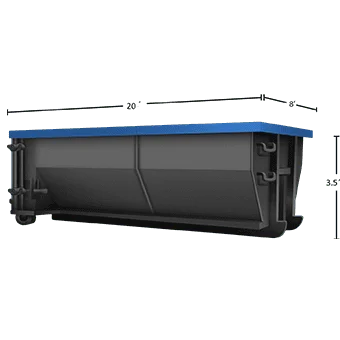
Give the provider a practical description of how much material is expected and how it will be loaded. Bulk and weight are different considerations: remaining empty space does not establish permission to keep adding heavy material. Ask about the offered container, loading boundaries, accepted contents and weight terms rather than relying on an invented capacity or allowance.
Identify a permitted position and ask for a supplier assessment of the actual surface and access. Loading must leave pedestrian routes, property entrances and required vehicle working space usable. A place convenient for carrying debris may still be unsuitable for the handling vehicle; use the roll-off guide to coordinate a shared project’s loading and collection instructions.
Make changed contents a change to the order
Ask the quotation to name the accepted material description, offered container, rental period, delivery and collection. Clarify disposal and weight terms, possible overage conditions, added time and any extra movement without assuming a fixed charge. A quote based on one material stream should not silently become an order for another.
Name the contact who will report unexpected contents, a blocked approach or a revised finish date. Discuss whether the provider needs to review the loading or collection arrangement before more work proceeds. Keep the agreed removal path available until pickup, and do not move the container or attempt unsafe unloading to resolve an issue yourself.
Questions before you book
Can everything from one renovation go into one dumpster?
Not automatically. Describe the contents and have the provider confirm what can be combined and what needs separation or another arrangement before loading.
Is remaining container space the same as remaining weight allowance?
No. Ask for the actual loading and weight terms, especially for dense materials. Space alone does not show that more weight is acceptable.
What should I do when an unexpected item appears during the work?
Keep the item out of the load and describe it to the provider. If questionable material is already present, ask how to resolve it safely rather than concealing it or attempting unsafe handling.
Is this the same service as toilet waste removal?
No. Debris contents and collection belong to the dumpster agreement. Toilet and washing waste are handled through their separate sanitation service arrangements.