
Decide whether the proposed users can share an accepted load
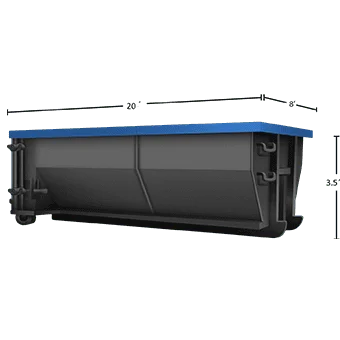
A roll-off is a container placed and recovered using suitable handling equipment. The rental is for an agreed debris stream, not unrestricted disposal or automatically included loading labour. On a renovation, for example, different trades may produce different materials; that planning example does not mean every combination is acceptable.
Ask each participating person what they expect to put in it, including heavy material and items whose disposal requirements are uncertain. Have the provider confirm what can be combined before selecting the container. Keep unaccepted material out. If the proposed contents cannot share one accepted stream, resolve separate handling rather than relying on someone to sort an unsuitable load later.
Give every loader the same instructions and reporting contact
Name a site contact who can communicate the agreed materials and the provider’s loading boundaries to everyone using the container. Do not substitute the top of the sidewall or remaining empty space for the actual loading instructions. Material density, distribution and handling conditions matter as well as volume.
Tell people how to report a questionable item before adding it. If something unapproved is already in the container, contact the provider for a safe resolution; do not hide it beneath other debris or improvise hazardous unloading. Keep loose material and parked equipment out of the working approach. One person’s convenient loading position should not obstruct another user or the recovery vehicle.
Make the shared position workable for users and the truck
Describe the permitted standing area, surface, entrance and space around it. Ask the provider to assess the actual vehicle approach, handling clearance and recovery arrangement. A position easy for people carrying debris may still be unsuitable for truck operations; do not treat pedestrian access as proof that the container can be placed there.
Resolve any property or public-space permission before acceptance. Share the agreed location with every crew so vehicles, deliveries or stockpiles do not occupy the reserved approach. Customers should not move the container themselves. If work changes the space, have the provider review the proposed alternative before giving a new placement instruction.
Use one authority for changes and the end of the rental
Agree who can request an extension, different material scope, exchange or final collection. A crew finishing its own job should not arrange removal while another approved user still depends on the container. Check the remaining work with those users, then let the authorised contact give one consistent instruction.
The written quote should identify the accepted materials, proposed container, rental dates, delivery and collection, weight-related terms and how changes are priced and agreed. An exchange is not automatic and a longer period is not assumed to be included. Retain the recovery route until the provider has removed the equipment; the last loader leaving is not the end of that responsibility.
Questions before you book
Can different trades use the same roll-off?
Discuss every trade’s material with the provider first. Sharing may be practical only where the agreed material stream and loading instructions cover all participating users.
Who should arrange collection when several people share the container?
Use one authorised contact who checks the remaining agreed work and gives the provider a consistent collection or change request.
What if a helper puts an uncertain item in the container?
Stop adding that material and ask the provider how to resolve it safely. Do not conceal it or attempt hazardous removal.
Is loading labour part of a container rental?
Do not assume it is. Confirm the exact service scope, including any separately requested labour, in the offer.