
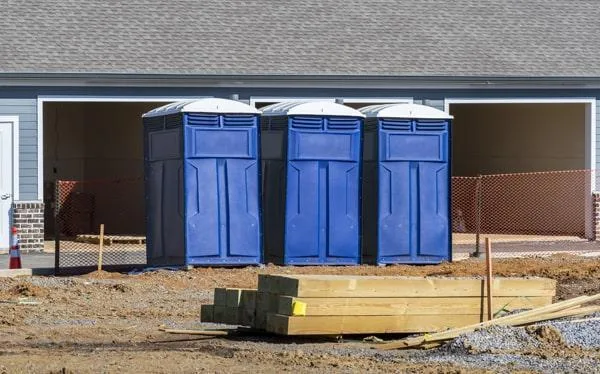
Keep one clear record of the installed arrangement
Identify which workers each facility serves, the accepted standing positions and where washing is provided. A standard cabin supplies a private toilet with waste retained for service; accessible options and washing serve additional needs that should not disappear when the site plan changes.
Name the person who can authorise a change and the contact who can open or explain the access route. Those may not be the person who first requested the quote. Keep the agreed equipment, rental dates and provider care arrangement available to the supervisor who manages the actual site.
Resolve the work-programme conflict before the visit
Compare the agreed service approach with planned operations. A material delivery may occupy the entrance, a crane may restrict movement, or a revised gate process may prevent the vehicle reaching a previously suitable position. Explain the specific change and its timing to the provider rather than assuming an old access instruction still works.
Ask the responsible parties to agree a practicable response. It may involve a different authorised visit arrangement or review of the position and route. Do not promise that the provider can enter through an alternative gate without assessment, and do not leave a needed service visit to fail silently because construction takes priority elsewhere.
Distinguish site checks from equipment servicing
The accepted rental should explain cleaning, waste service and replenishment for the expected use. A site contact can check whether a route is clear, report missing supplies and identify a damaged or unusable unit. That reporting role is not permission to undertake waste servicing or alter the equipment.
Give a useful report: the affected unit or position, what changed and when access is possible. An increase in workers, an isolated work area or a longer period of use may need a different scope, not just a housekeeping reminder. Ask about the agreed response rather than assuming extra visits or an attendant are included.
Pass on changes without conflicting instructions
When responsibility passes to another supervisor or contractor, hand over the accepted positions, care arrangements and pending issues. Only a clear authorised instruction should change a unit’s location, add equipment or request removal. Another trade needing the space is a reason to discuss the plan, not to move a toilet itself.
Before final collection, check who still works in each area and which fixed bathrooms they may use. Preserve any necessary toilet and washing functions until the remaining need is covered, and retain the provider’s collection approach. Record revised dates, equipment, care and transport terms when part of the arrangement continues.
Questions before you book
What should I do if a delivery blocks the service entrance?
Tell the site contact and provider before the planned visit. Describe the restriction and timing so an authorised workable arrangement can be agreed.
Can another contractor move a unit to clear a work area?
Do not treat that as an ordinary site adjustment. Have the responsible contact and provider review the new position, user access and servicing arrangements first.
What information should a new supervisor receive?
The equipment and positions, users served, washing arrangement, care scope, access/contact instructions, outstanding problems and who may approve changes.
Does the last construction task automatically end the rental?
No. Confirm remaining users and collection arrangements, then request the agreed closeout or partial change through the responsible contact.